Table of Contents
1. Introduction
People often wonder why their website gets so little traffic. It is not usually because SEO just does not work at all. In most situations, you have some hidden SEO mistakes that block your visibility. These issues slow down crawling and cut your relevance. They even confuse Google’s ranking systems in a big way.
The good news is this. Most SEO errors turn out to be fixable. Fixing them can lift your website traffic right away. It feels pretty straightforward once you spot them.
You will find the 10 biggest SEO mistakes below. These are the ones killing your website traffic. There are also proven ways to fix them. You can handle it like an expert.
2. Mistake 1: Ignoring Search Intent
Search intent is the basis of the modern SEO. If the content you provide doesn’t meet the expectations of users then you will not rank, regardless of how optimized your page is.
Symptoms
- Low clicks, high impressions
- The bounce rate is high.
- A poor time on page
- Indexing for non-relevant keywords
How to Fix It
- Define intent: informational transactional, navigational or commercial.
- Search the SERP for the most popular type of content.
- The layout should be consistent with the listicles and comparisons, as well as how-to pages for products, etc.
Tool Suggestion: Google Search Console, SEMrush Keyword Intent Filter
3. Mistake 2: Wrong Keywords Targeting

Some websites mistakenly target key words such as:
Insufficiently competitive, with a low-intent
Invalid
not able to match their market
How to Fix It
- Use long-tail keywords.
- Select keywords that have the highest intent, and with moderately difficult.
- Use LSI keywords for semantic relevance.
Recommended Tools:
- SEMrush
- Ahrefs
- Google Keyword Planner
4. Mistake 3: Publishing Thin or Duplicate Content

Google gives preference to quality, unique as well as in-depth and valuable information.
Symptoms
- Pages with less than 300 to 400 words
- Duplicate product descriptions
- Content generated by auto-generation
- Blog post posts without in depth
How to Fix It
- Content should be expanded to answer the most frequently asked questions of users
- Include tables, images, and visuals. FAQs
- Rewrite duplicate sections in a unique way
- Include expert advice and information points
Tips: Aim for a minimum of 1000words or more in blog articles that are informative.
5. Mistake 4: Improper On-Page Optimization
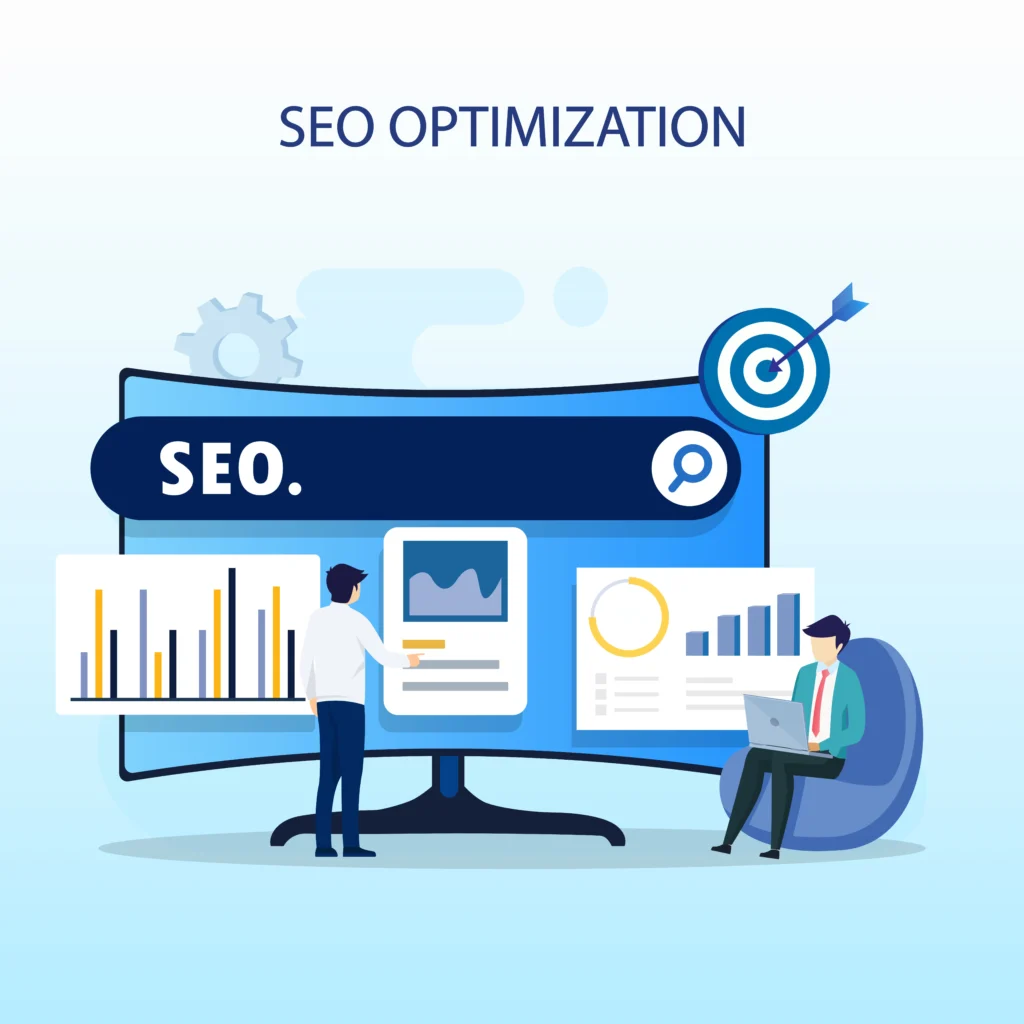
A lot of websites are unable to gain traffic because of a lack or error in fundamental SEO components.
Common Issues
- A single H1 is not available or there are multiple H1s.
- Missing meta descriptions
- Keyword stuffing
- Images not optimized
- Poor URL structure
How to Fix It
- Add specific keywords into both the SEO title and in your H1 title.
- Include keyword-rich, informative H2/H3.
- Improve the alt text for images.
- Make URLs as short and simple as possible.
- Create CTAs, internal links and add CTAs
6. Mistake 5: Weak Technical SEO
SEO is your only option if your website isn’t searchable or indexable.
Common Problems
- Broken links
- Incorrect XML sitemap
- Robots.txt block pages
- Canonical tags missing
- Poor indexing
How to Fix It
- Send a sitemap file to Google Search Console
- Repair crawl error
- Create canonical URLs in order to prevent duplicates
- Remove broken links
- Repair redirect chain
Tools: Screaming Frog, GSC Coverage Report
7. Mistake 6: Slow Website Speed

Speed of websites is an important ranking element for search engine optimization and the user experience.
Symptoms
- The bounce rate is high.
- The conversion rate is low.
- Poor Core Web Vitals
How to Fix It
- Images that are compressed (WebP format)
- Minimize CSS and JS
- Use lazy loading
- Use CDN
- Upgrade hosting
Tools: Google PageSpeed Insights, GTmetrix
8. Mistake 7: Not Paying Attention To Mobile Optimization
75% of people browse on mobile devices. Google makes use of Mobile-First Indexing which means that your mobile browser determines the rankings.
How to Fix It
- Use responsive design
- Improve mobile navigation
- Reduce pop-ups
- Check your mobile’s experience frequently
Test by using the Google Mobile-Friendly Test
9. Mistake 8: Improper Internal Linking
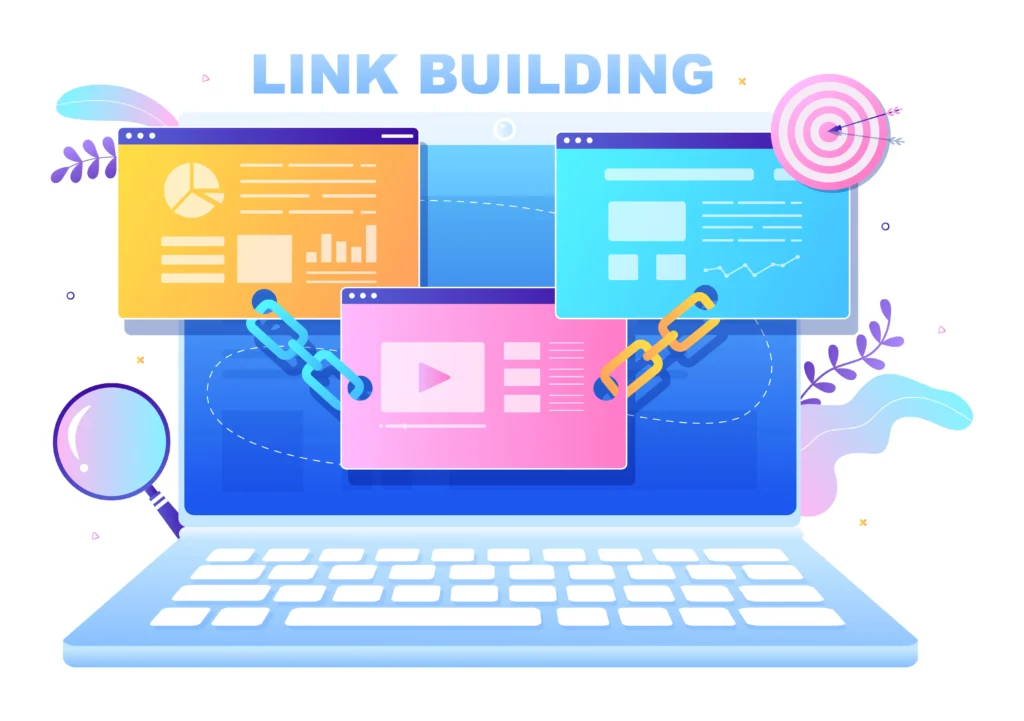
Internal links boost the process of crawling depth and help Google figure out the structure of your website.
Symptoms
- Pages for orphans
- Flat site architecture
- A poor level of authority in the field.
How to Fix It
- Link to three pertinent pages in every blog.
- Make use of anchor texts with keywords (naturally)
- Cluster system and create pillars
Examples: A blog about SEO tools must link directly to you “SEO checklist” or “on-page optimization tips.”
10. Mistake 9: Poor Quality Backlinks

Backlinks remain one of the top ranking elements. But poor-quality, fake, bought, or unrelated backlinks can do more harm than good.
How to Fix It
- Refrain from domains that are toxic
- Create backlinks by:
- Guest blog post
- HARO
- Directories of industry
- Quality content
Avoid:
- Fiverr’s backlinks
- PBNs
- Inappropriate forums
11. Mistake 10: Not Monitoring Performance
SEO without tracking is a guesswork.
Fix It
Monitor weekly:
- Impressions
- Clicks
- The movement of keywords
- Backlink growth
- Core Web Vitals
- Pages that are indexed
Tools: Google Search Console, Google Analytics 4, Ahrefs
12. SEO Checklist Table
| SEO Element | What to Check | Tools | Status |
| Keyword Research | Intent, difficulty, competition | SEMrush, Ahrefs | ✔/✖ |
| On-Page Optimization | H1, meta tags, URL, Alt text | Yoast, RankMath | ✔/✖ |
| Content Quality | Depth, originality, value | Manual review | ✔/✖ |
| Technical SEO | Crawlability, sitemap, robots | GSC, ScreamingFrog | ✔/✖ |
| Site Speed | PageSpeed, CWV | PSI, GTmetrix | ✔/✖ |
| Mobile Optimization | Responsive UX | Google Mobile Test | ✔/✖ |
| Internal Links | Pillar–cluster linking | Manual | ✔/✖ |
| Backlinks | Authority, toxicity | Ahrefs | ✔/✖ |
| Indexing | Coverage, errors | GSC | ✔/✖ |
Conclusion
SEO errors don’t just happen in a flash. They develop slowly through technical errors in content and design, poor targeted keywords and inadequate optimizing.
The websites that will succeed in 2026 or beyond include the following:
Know the intent behind search
Correct technical issues earlier
Create high-value content
Keep a solid internal linking structure
Make use of the data and not rely on speculation
Improve these 10 areas regularly for a constant growth in rankings, traffic and conversions.
FAQ’s:
1. What are the top SEO errors?
Most SEO errors are based on incorrect terms, too much material, slow website speed poor optimization on the page, inadequate technical SEO, and lacking internal hyperlinks.
2. How come my website’s traffic is declining abruptly?
Drops in traffic are caused by problems with indexing, algorithm changes or slow websites, broken links or other content that isn’t in line with user’s expectations.
3. Does site speed affect SEO?
Indeed, slow sites impact rankings and the users’ experience. Google takes site speed as well as Core Web Vitals as key ranking aspects.
4. How do I improve my SEO quickly?
Update your meta tags for title tags, description, speed of pages external links, indexing problems as well as update content that isn’t of the highest quality.
5. How important is keyword research in SEO?
Relevant keywords will assist Google understand your content and help you reach the right audience. Poor quality visits and low conversion rates could result from using inaccurate keywords.
6. How frequently should the information on my website be updated?
In order stay up to date, boost rankings, and remain relevant, update your key pages every two to three months.